It took us three days to complete the manure excavation. We filled eight dump trucks and I was able to empty them without incident into what would become the main prison garden. What I learned from the maintenance mechanics who had been involved in the construction of the prison was that the developers took all of the topsoil when they cleared the land for development. They then filled in the areas with sand and clay. I would spend the rest of my career filling all of the gardens with top soil and organic matter. My students would learn valuable lessons on land renewal. My helper graded and leveled the area we had removed all the manure from. The journalist was ecstatic. I thanked God for us completing this work without incident of accidents or injuries. I was always worried a mishap could send the barn crashing down on us, but my coworker assured me it would not be a mistake he would make. He proved my worries needless. Our opposite personalities worked well together on this collaboration. At the time, I did not realize there would be more.
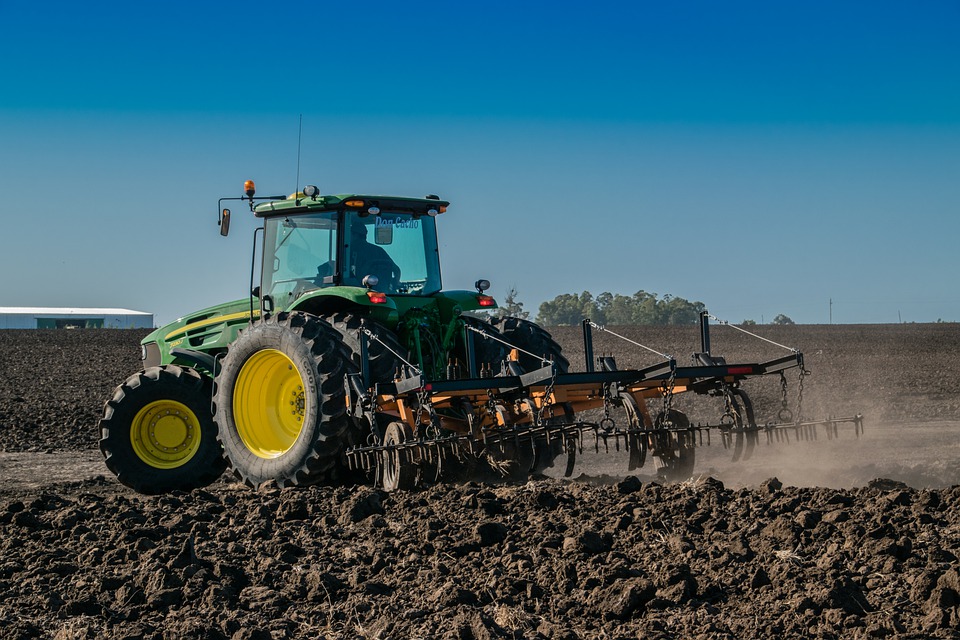
My students and tutors began working the prison garden with a renewed vigor, and my coworker used the tractor to spread the manure turning the ground over as he went. From the furrows he created in the ground, my students made beds for the vegetables plants they grew from seed in the greenhouse. They were able to plant the full garden using topsoil we combined with the compost making raised beds. Almost an acre of land was planted with vegetables. It amounted to well over ten thousand plants. I expected a good continued harvest if the weather permitted it throughout the spring, summer and fall. The garden being next to the school could only be accessed through the school. This unfortunately would change in the future, but for now only my students and tutors had access to the garden. I also set up garden plots for my students. The stipulations were that they had to pick two other students to work in their garden, they had to agree on what they planted, they had to all take time to tend to it, and finally, the yields from their harvest were to be divided amongst them according to the work they put in.
One of my assistants tracked the time they worked in their gardens and the time they worked in the classroom garden labs. The hours worked were tracked as part of the classroom requirement to graduate, and many exceeded that requirement. They loved working in the horticulture labs, and I was hard pressed to make them leave when class was over. They often wanted to return, but were sent back not having a detail (official permission slip) to be there. The garden area was marked with out of bounds signs. This meant that only detailed students and workers could be there at the designated times working. Anyone else caught in the garden without a detail would be written a major out of place ticket. In the beginning this seemed to work. With my students and helpers having sole access to the garden area we were able to increase our annual yields. The warden was happy to be getting letters of thanks from the foodbanks we delivered our product to. The warden shared the letters with me and I made sure to share them with my students. It was a very important lesson for my students. Even though they were incarcerated, they could still contribute to society in a positive way. For some of them working in the garden and contributing in a positive way was a sorely needed redemption. TO BE CONTINUED…
This is my last post for Black History Month. My African American students enjoyed the stories/movies I would show them in my classroom about the positive contributions their ancestors made in America. The following music and video is a great contribution as well for the trying times we all find ourselves in and to celebrate the month: Philippians 2:3
 MJ-Way